
ASSESSING THE STATE OF THE NERVOUS SYSTEM
 What does the assessment show?
Specifically, it indicates:
What exactly is measured?

WHY IS THIS IMPORTANT?
The nervous system is the body’s control centre. It determines how we respond to stress, how we recover, and how we maintain emotional balance.
- When it is overstrained, fatigue, sleep disturbances and reduced productivity are common.
- When in balance, we experience calmness, resilience, and higher levels of energy for daily life.
Stress and its impact
Assessing stress resilience and exposure
STAGES OF THE ASSESSMENT
-
Recording indicators
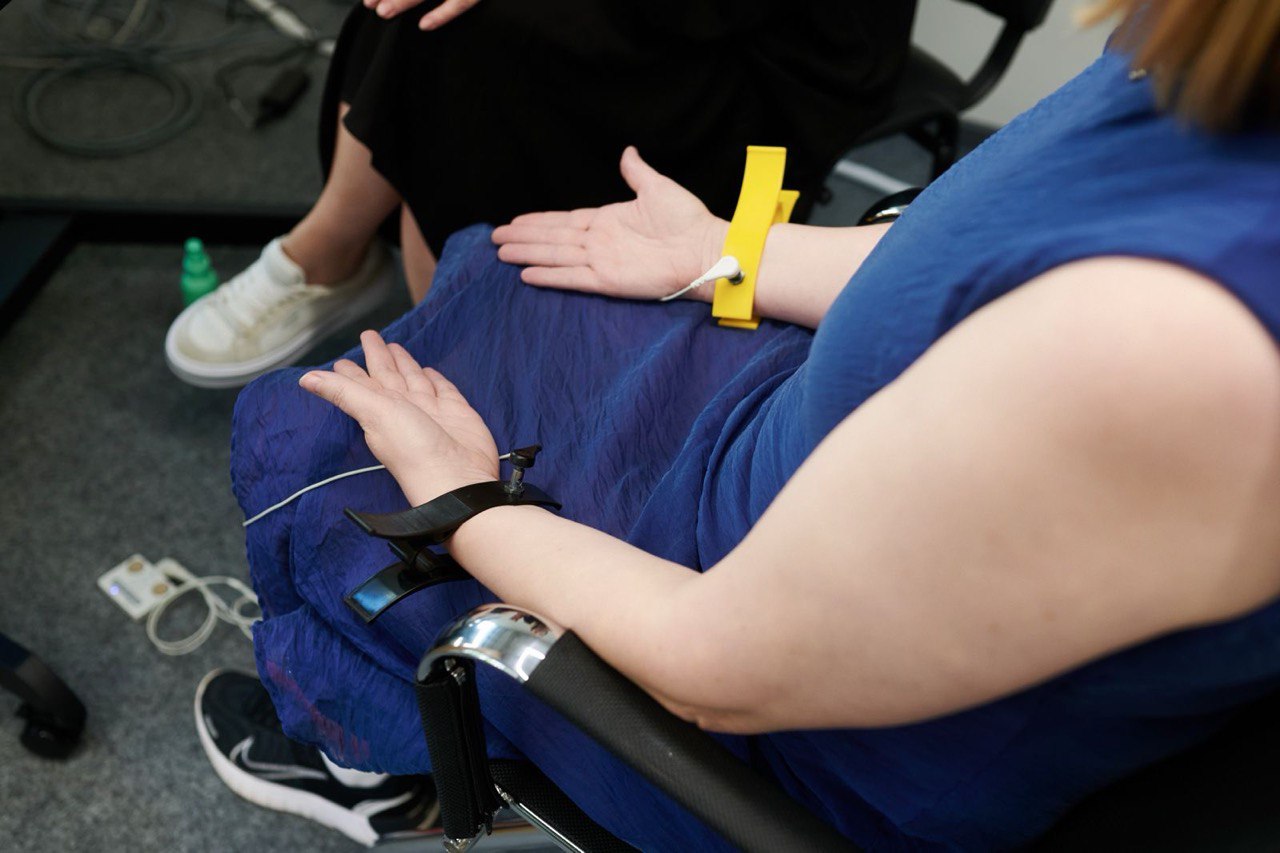
A specialist records a 3–5 minute electrocardiogram (ECG), analyses HRV, and measures blood pressure.

-
Data analysis
Specialised software automatically processes the data and generates a report on the state of the autonomic nervous system and the body’s adaptive capacity.

-
Recommendations
Based on the results, the specialist interprets the findings and provides tailored advice for restoring balance — including breathing techniques, meditation, physical activity or corrective programmes.


- A personalised report on the state of your autonomic nervous system, including stress levels, adaptive capacity, and the balance between sympathetic and parasympathetic systems.
- A clear explanation of which systems require attention (for example, elevated neuro-emotional tension, reduced resources, or sleep disturbances).
- Evidence-based recommendations to restore balance: breathing and meditation practices, stress-reducing exercises, lifestyle adjustments for sleep and rest, and guidance for further diagnostic evaluation.
The Five Key Indicators
The assessment is based on five scientifically validated measures, allowing an accurate picture of nervous system function, balance, and early warning of exhaustion or chronic stress.
Heart Rate
Reflects cardiovascular, nervous system and thyroid activity. Out-of-range results require medical consultation.
60–80
<49 - significantly low
50–60 - moderately low
81–99 - high
>100 - very high
Total Power
Represents the body’s overall functional reserve to cope with internal and external stressors.
30–50
25–30 - strain
20–25 - exhaustion
<25 - collapse of reserves
assessed individually
Parasympathetic State
Reflects parasympathetic nervous system function. Low values suggest vagotonia, which may manifest as cardiovascular problems (bradycardia), respiratory issues (cough, bronchospasm), gastrointestinal disorders (ulcers, reflux, bloating), impaired relaxation, poor sleep, anxiety or depressive symptoms.
>30
<30
Stress Index
A quantitative indicator of the load on the body when overcoming stress. Higher values reflect harmful physiological effects, rapid energy depletion and heightened risk of illness.
up to 130 - recommended
130–200 - acceptable under active lifestyle
200–400 - strain
400–700 - exhaustion
>700 - collapse of reserves
Psycho-Emotional Index
Represents the balance between sympathetic and parasympathetic systems — the ability to relax after exertion and to mobilise reserves when required for optimal system performance.
75–100
<75
Overall Results

- avoid overloading yourself
- maintain healthy routines
- ensure sufficient rest
- practise Technique of Mental Relaxation (TMR)
- use supportive measures regularly


Recommendations
for Balance and Recovery
To improve recovery and reduce the risk of stress-induced disorders:
- Go to bed before 22:00
- Use physical relaxation techniques daily
- Exercise for 15–20 minutes each day
- Maintain a balanced, seasonal diet with appropriate spices
Recommended practice
- Warm-up and diaphragmatic breathing
- Guided full breathing
- Мeditative practice
Would you like to try TMR now?
Watch the short video and test it yourself.
TMR as a corrective method
Who is it for?
Assessment of the nervous system is valuable for everyone, but is especially recommended for those who:
Experience chronic stress or fatigue
Suffer from poor sleep, irritability, or mood swings
Work under conditions of high workload and responsibility
For organisations and companies, assessments can help to:
Increase workplace efficiency
Improve team atmosphere and psychological climate
Reduce employee burnout